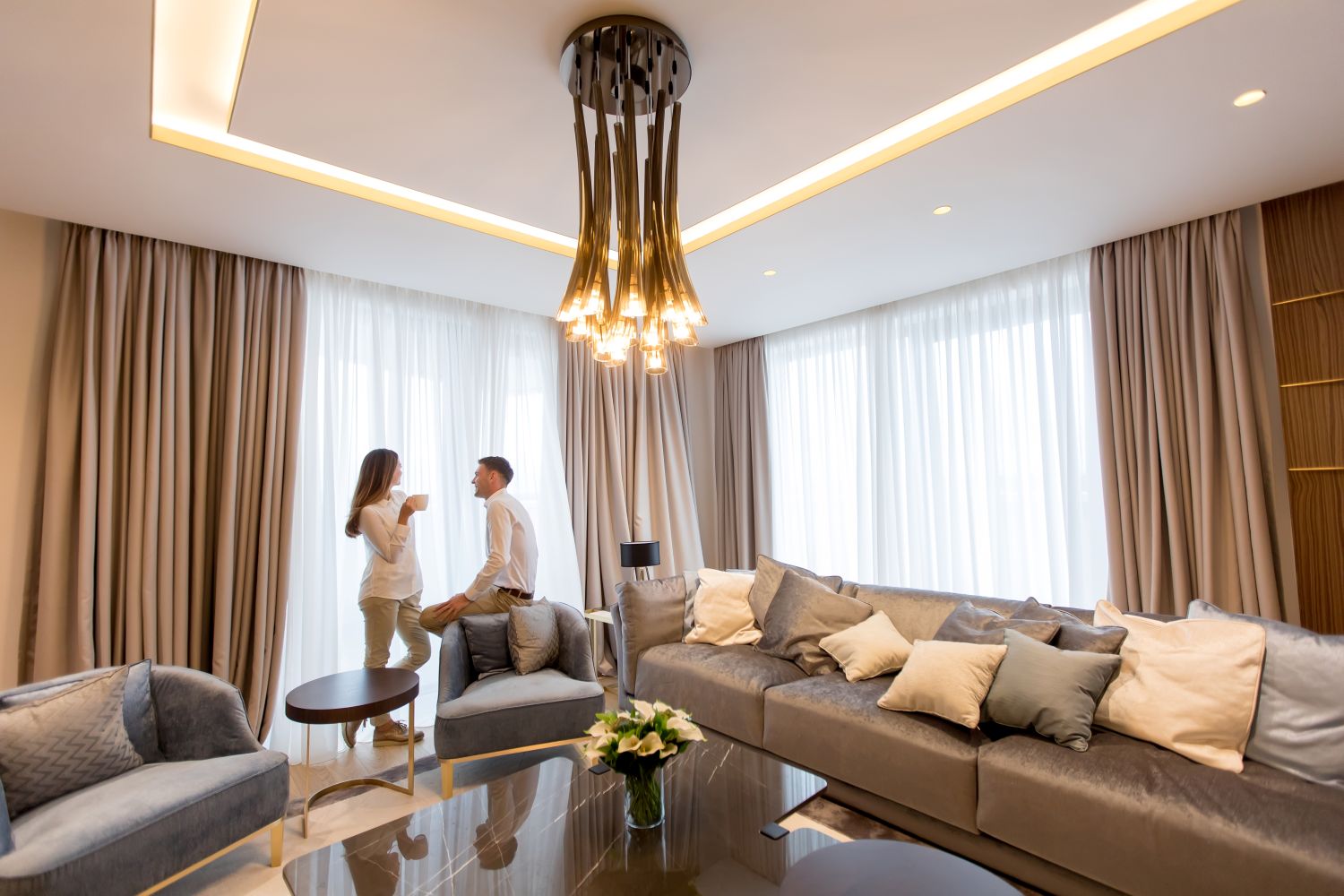
In a contemporary landscape where experiences often hold greater value than material possessions, the appeal of luxury hotels continues to captivate discerning travelers. These premium accommodations, characterized by stunning locations, exceptional amenities, and unparalleled service, offer a distinctive combination of comfort and sophistication that many find compelling. This article examines the various factors that influence hotel pricing, the psychological aspects of luxury spending, the exclusive benefits associated with staying in high-end establishments, and alternative lodging options that deliver value without compromising quality. We invite you to explore the dynamics of selecting luxury accommodations and to uncover the elements that truly distinguish these hotels.
The Appeal of Luxury Hotels
The appeal of luxury hotels is rooted in their capacity to offer guests premium pricing options that signify a dedication to exceptional customer experience, high standards of quality service, and a robust brand reputation within the luxury travel sector.
These establishments distinguish themselves by providing exclusive amenities, personalized service, and unique experiences that cater to both leisure and business travelers.
Luxury accommodations frequently serve as a status symbol for discerning guests who prioritize comfort and aesthetic appeal, thereby cultivating a level of customer loyalty that is challenging to replicate in lower-tier hotels.
Understanding the Desire for High-Quality Accommodations
Understanding the demand for high-quality accommodations is critical in the luxury market, where customer expectations are elevated and typically center around hotels that emphasize cleanliness, safety, and a welcoming ambiance.
Along with these foundational aspects, discerning travelers seek well-appointed rooms that feature plush bedding, state-of-the-art technology, and bespoke in-room amenities designed to enhance comfort and convenience. The presence of wellness facilities, such as spas, yoga studios, and fitness centers, further enriches the guest experience, allowing patrons to rejuvenate during their stay.
Design aesthetics are equally important; travelers are often attracted to properties that seamlessly integrate modern elegance with local charm, creating a distinctive atmosphere that aligns with their personal style.
Collectively, these attributes not only meet the expectations of luxury seekers but also significantly influence their travel decisions, resulting in memorable stays that are frequently shared through word-of-mouth and social media endorsements.
Factors that Influence Hotel Pricing
Several key factors significantly influence hotel pricing within the luxury travel sector. These include the hotel’s location, the range and quality of amenities provided, and the overall brand reputation, which can serve as a competitive advantage in a saturated market.
Location, Amenities, and Reputation
The location of a luxury hotel plays a critical role in determining its pricing, with prime destinations typically commanding higher rates. Additionally, the range of amenities offered and the brand’s reputation contribute significantly to the perceived value for money.
Elite travelers are often attracted to hotels located in iconic areas, where the surrounding environment provides not only breathtaking views but also convenient access to exclusive attractions, fine dining, and vibrant cultural experiences.
To further enhance their appeal, luxury hotels may incorporate tailored services such as private guided tours, high-end concierge assistance, and bespoke wellness amenities, thereby creating an atmosphere of personalized luxury.
Maintaining an excellent online reputation is paramount; positive reviews that highlight exceptional guest experiences act as social proof, reinforcing perceptions of quality and value.
The strategic alignment of location, amenities, and reputation management is essential for attracting discerning clientele who seek both exclusivity and satisfaction during their stay.
The Psychology of Luxury Spending
The psychology of luxury spending is characterized by a complex interplay between the desire for quality and the emotional resonance associated with high-end accommodations.
These establishments frequently serve as status symbols for affluent travelers who prioritize unique experiences over financial considerations.
Why People are Willing to Pay More for Quality
Individuals are frequently inclined to pay a premium for high-quality accommodations due to the exclusivity factor and the promise of unique experiences, which significantly enhance overall customer satisfaction and emotional engagement.
This inclination arises from a deeper appreciation of the various elements that contribute to an exceptional travel experience. Personalized services, such as dedicated concierges or customized itineraries, establish a connection that makes guests feel valued and understood.
Attention to detail-ranging from carefully curated dcor to bespoke dining options-ensures that every aspect of their stay is memorable.
These components not only enhance the overall experience but also cultivate a sense of loyalty among customers. They begin to associate quality service with their treasured travel memories, often returning repeatedly to relive those exceptional moments.
Perks and Benefits of Staying at High-End Hotels
Staying at high-end hotels provides a range of advantages that greatly enhance the guest experience.
These include exclusive services such as concierge offerings, fine dining options, and personalized room service tailored to individual preferences.
Exclusive Services and Experiences
Luxury hotels provide exclusive services that enhance the overall guest experience, including personalized offerings such as tailored concierge services designed to meet individual needs and preferences.
These high-end accommodations frequently offer curated stays, enabling guests to engage in unique local experiences that reflect the culture and ambiance of their chosen destination. From exclusive wellness programs featuring holistic treatments and customized fitness regimens to sophisticated event hosting capabilities that ensure seamless gatherings, these properties are proficient at anticipating the evolving demands of modern travelers.
As wellness and experiential travel continue to gain traction, travelers are increasingly seeking accommodations that not only exude opulence but also prioritize well-being and meaningful interactions.
This alignment with contemporary luxury travel expectations not only enhances the overall guest experience but also fosters a lasting connection between guests and the destinations they choose to explore.
Alternatives to High-Priced Hotels
Exploring alternatives to high-priced hotels can prove advantageous for travelers aiming to optimize their travel budgets while still prioritizing quality and comfort.
Options such as boutique hotels and vacation rentals are available to accommodate a variety of preferences and requirements.
Exploring Different Types of Accommodations
Exploring various types of accommodations enables travelers to identify options that align with their preferences and enhance their overall travel experiences. Available choices include boutique hotels, vacation rentals, and serviced apartments.
Each accommodation type offers distinct advantages and disadvantages that can significantly influence customer satisfaction.
Boutique hotels often deliver personalized services and a unique atmosphere, making them ideal for those seeking comfort and individuality during their stay. In contrast, vacation rentals provide families or larger groups with the convenience of home-like amenities and additional space; however, they may occasionally lack the consistent quality associated with hotels.
Serviced apartments, on the other hand, combine the privacy of a residential setting with hotel-like services, making them particularly suitable for longer stays and business travelers.
Recognizing these nuances allows travelers to make informed decisions that cater to their specific needs regarding location, comfort, and available facilities.