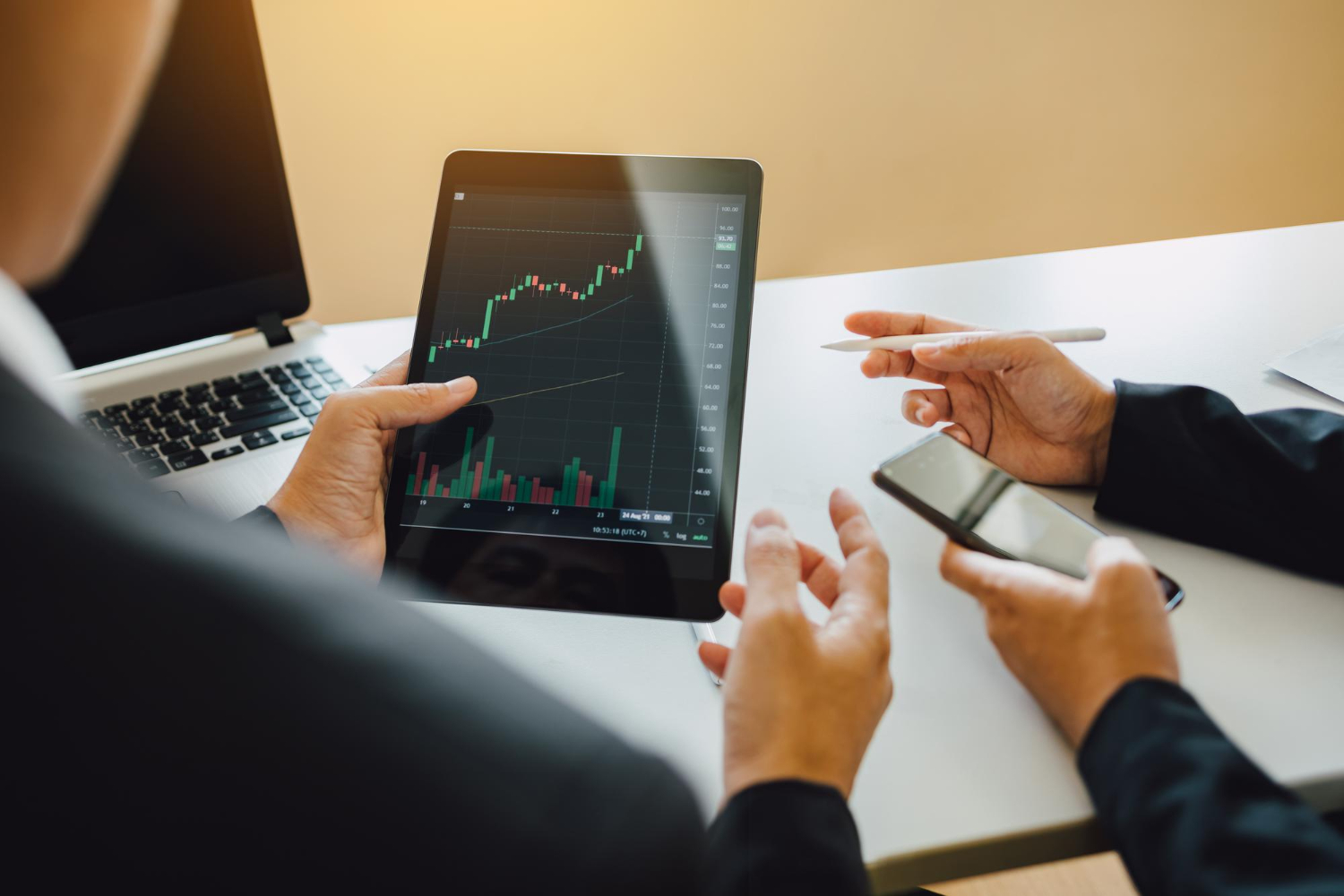

Navigating the world of trading can be daunting, especially when choosing the right broker. In Ghana, the financial market is steadily growing, with more individuals exploring trading as a way to build wealth. Selecting a reliable trading broker is crucial for ensuring a smooth and secure trading experience.
With a range of local and international brokers operating in Ghana, finding one that suits specific needs can be challenging. Factors like regulation, fees, trading platforms and customer support play a significant role in making the right choice. Understanding these aspects helps traders make informed decisions and avoid potential pitfalls.
Whether you’re a seasoned trader or just starting out, knowing what to look for in a broker is key. This guide explores the essentials of trading brokers in Ghana, helping readers identify trustworthy options while navigating this dynamic and evolving market.
Overview Of Trading Brokers In Ghana
Trading brokers in Ghana facilitate access to global financial markets, including forex, commodities, and indices. They act as intermediaries, providing traders with platforms to execute trades and access analytical tools.
The regulatory environment in Ghana impacts broker operations significantly. The Ghana Securities and Exchange Commission (SEC) oversees financial market activities to protect traders and maintain market integrity. However, many traders rely on international brokers regulated by bodies like the FCA, CySEC, or ASIC due to limited local options.
Popular trading platforms offered by brokers in Ghana include MetaTrader 4 and 5, which deliver advanced charting tools and automated trading features. Many brokers also provide proprietary platforms, offering user-friendly interfaces and tailored tools to meet individual trading preferences.
Competitive trading conditions, such as tight spreads and low commissions, are a hallmark of reputable brokers. Leverage options, varying between 1:50 and 1:500, align with traders’ risk tolerance levels. Additionally, brokers often offer multiple account types, such as Standard, ECN, and Islamic accounts, to cater to diverse trading needs.
Customer support availability is a critical factor. Leading brokers operating in Ghana typically offer 24/5 or 24/7 multilingual support via live chat, email, or phone to ensure smooth trading experiences. Some even have local representatives to address region-specific concerns.
Key Features To Consider When Choosing A Broker
Evaluating key features helps traders in Ghana identify brokers that offer safe and efficient trading. These considerations ensure a secure and user-friendly trading environment.
Regulation And Licensing
Regulated brokers provide better safety for traders’ funds. In Ghana, brokers licensed by the Ghana SEC demonstrate compliance with local laws. International brokers regulated by authorities like the FCA, CySEC, or ASIC offer additional credibility. Verification of a broker’s regulatory status limits risks from unregulated entities.
Trading Fees And Commissions
Low and transparent fees reduce trading costs. Traders should compare spread charges and commission structures across brokers. For example, brokers offering tight spreads of 0.1 pips on forex trades or zero commission accounts cater well to cost-conscious traders. Include hidden costs like withdrawal fees in evaluations.
Trading Platforms And Tools
Advanced trading platforms improve functionality. MetaTrader 4 and 5 dominate due to features like customisable charts and automated trading support. Some brokers offer proprietary platforms with unique analytical tools. Compatibility with mobile devices ensures seamless trading anywhere.
Customer Support
Reliable customer support enhances user experience. Top brokers provide 24/7 multilingual support via live chat, email, or telephone. Faster response times and access to local assistance are vital, especially for new traders navigating the market.
Top Trading Brokers In Ghana
Traders in Ghana value brokers with strong regulatory compliance, competitive fees, and advanced trading platforms. Below are highlights of leading brokers catering to this market.
Broker 1: Features And Benefits
Broker 1 offers robust regulatory credentials with oversight from the FCA and CySEC. It provides access to global markets, including forex, indices, and commodities. The broker’s platform integrates MetaTrader 4 and 5, known for a wide range of technical analysis tools. Account types include options for beginners and experienced traders, with tight spreads starting from 0.0 pips. Customer support operates in multiple languages, ensuring prompt assistance.
Broker 2: Features And Benefits
Broker 2 is renowned for its transparent pricing structure and low trading fees. It features a user-friendly platform suitable for beginners but supports advanced tools for professional traders. The broker offers a demo account for practice and risk-free learning. Regulated by ASIC, it prioritises funds’ safety by providing segregated accounts. Traders benefit from 24/5 customer support through multiple channels, including live chat.
Broker 3: Features And Benefits
Broker 3 stands out through its excellent customer service and educational resources. It supports trading in major asset classes such as forex, stocks, and cryptocurrencies. The broker’s proprietary platform offers seamless navigation and integrated market analysis tools. CySEC regulation ensures compliance and fund security. With localised resources tailored for Ghanaian traders, it facilitates a personalised trading experience.
Advantages Of Trading With Local Brokers In Ghana
Understanding Of The Local Market: Local brokers operate within Ghana’s financial ecosystem, offering insights tailored to the region. They understand the economic conditions and trading preferences of Ghanaian traders, ensuring services align with local needs.
Direct Engagement And Accessibility: Ghana-based brokers often provide accessible customer service by offering support in local languages and accommodating time zones. Traders can address issues promptly, avoiding delays linked to international support centres.
Convenient Payment Options: Local brokers frequently accept Ghanaian cedi (GHS) for deposits and withdrawals, eliminating currency conversion fees. They also integrate local banking channels, mobile money services like MTN Mobile Money, and other region-friendly payment systems.
Compliance With Ghanaian Regulations: Local brokers adhere to standards set by the Ghana Securities and Exchange Commission (SEC). This provides traders regulatory assurance, ensuring their funds are safeguarded under local laws.
Promoting Financial Inclusion: Brokers in Ghana contribute to financial inclusion by offering trading options that are accessible to the local populace. Some provide educational materials, workshops, or seminars aimed at building trading knowledge within the community.
Competitive Trading Conditions For Local Traders: Local brokers may offer services with customised trading fees, spreads, or account options suitable for Ghanaian traders. These personalised conditions appeal to traders seeking cost-effective solutions within the local environment.
Challenges With Trading Brokers In Ghana
Traders in Ghana face several challenges when dealing with trading brokers, primarily due to limited local options and regulatory gaps. Although the Ghana Securities and Exchange Commission (SEC) oversees the financial markets, it has not established comprehensive frameworks for all trading activities. This leaves many brokers unregulated locally, prompting traders to seek internationally regulated firms under authorities such as FCA or CySEC.
Access to advanced trading platforms can also be an issue. While platforms like MetaTrader 4 and 5 are widely used, local brokers may struggle to offer these due to licensing costs or technical expertise. This restricts traders’ ability to leverage sophisticated tools for market analysis, limiting their overall efficiency.
High transaction fees often pose another obstacle. Local brokers sometimes impose higher costs due to operational challenges in integrating international markets with Ghanaian systems. For international brokers, currency conversion fees when dealing with Ghana cedi (GHS) and limited local payment methods further increase traders’ expenses.
Customer support inefficiencies create additional difficulties, particularly with local brokers. Limited availability of multilingual support, expertise, or around-the-clock assistance frustrates users and delays issue resolution for newer traders who frequently require guidance.
Educational resource gaps affect trader proficiency, especially among beginners. Many brokers, particularly local ones, lack adequate resources like training programmes or market analysis tools. This deficiency prevents traders from improving their skills, which negatively impacts successful trading outcomes.
Fraud risks remain a significant concern due to insufficient education and awareness. Scammers exploit the regulatory gaps and the increasing interest in trading, targeting inexperienced traders through fake brokers or fraudulent platforms. This jeopardises traders’ savings and deters further participation in financial markets.
Conclusion
Choosing the right trading broker in Ghana is a critical step for traders aiming to navigate the financial markets effectively. With the growing interest in trading, understanding the key factors that define a reliable broker is essential for ensuring both security and profitability.
Whether opting for local brokers with tailored services or international brokers offering advanced platforms and global access, traders should carefully evaluate their options. Prioritising regulation, transparent fees, robust platforms, and dependable customer support can significantly enhance the trading experience.
By making informed decisions and leveraging the available resources, traders in Ghana can overcome challenges and unlock opportunities in the dynamic world of trading.